Your Trusted 24 Hours Service Provider!


-
 Call Us+86-158-0331-9351
 -
 Emailcarrie@sinopulse.cn
 -
 AddressHandan City, Hebei , China
welding fume extractor hose
In the high-stakes world of welding, the integrity of your welding hose system is non-negotiable for both operational efficiency and worker safety. As a leading air hose manufacturer , SINOPULSE understands that distinguishing between oxygen and acetylene hoses is fundamental to preventing catastrophic failures. This comprehensive guide breaks down the key disparities between these essential components, empowering you to make informed choices that prioritize safety and performance. 1. Understanding Welding Hoses: The Lifeline of Welding Operations A welding hose is a specialized conduit designed to transport compressed gases—primarily oxygen and acetylene—critical for fueling welding and cutting torches. These hoses form the bridge between gas cylinders and the torch, enabling precise control over the combustion process. Their role is twofold: Safe Gas Transmission: Ensuring oxygen and acetylene reach the torch without leakage or contamination. Operational Stability: Withstanding the thermal and mechanical stresses of welding environments to maintain consistent performance. 2. Defining Oxygen and Acetylene Hoses: Media-Specific Design Both oxygen welding hose and acetylene hoses are integral to creating the high-temperature flame necessary for metal fusion, but their design and functionality differ profoundly. Oxygen Hose Designed to carry oxygen—a powerful oxidizer—this hose must resist combustion and chemical degradation. Key characteristics: Medium: Pure oxygen (O₂) for supporting combustion. Safety Imperative: Constructed to prevent ignition sources, as oxygen accelerates burning. Acetylene Hose Engineered for acetylene—a highly flammable hydrocarbon gas—this hose prioritizes resistance to fuel degradation. Key characteristics: Medium: Acetylene (C₂H₂) as the fuel source for the welding flame. Design Focus: Flexibility and chemical resistance to handle acetylene’s reactive nature. 3. Core Differences between Oxygen and Acetylene Hoses: Color, Pressure, and Material Engineering a. Color Coding: The First Line of Identification Industry standards dictate distinct color schemes for immediate recognition: Acetylene Hose : Traditionally red to signify a flammable gas, alerting users to potential fire hazards. Oxygen Hose : Commonly blue or green, indicating an oxidizing agent that amplifies combustion. This color coding is not arbitrary; it’s a critical safety feature to prevent misconnection, which could lead to explosive mixtures. b. Pressure Rating Disparities Acetylene Hose : Lower working pressure (typically 100–300 PSI), as acetylene becomes unstable at high pressures, risking decomposition. Oxygen Hose : Higher pressure tolerance (up to 1500PSI), designed to handle the compressed oxygen required for intense flames. Mismatching pressure ratings can lead to hose rupture or gas leaks, underscoring the need for precise specification. c. Material Composition and Resistance Oxygen Hose : Inner tube: Synthetic rubber (e.g., EPDM or NBR) with anti-oxidant properties. Reinforcement: Braided polyester or steel wire for pressure resistance. Critical Feature: Strict oil and grease resistance, as oxygen contact with hydrocarbons can cause spontaneous combustion. Acetylene Hose : Inner tube: Specialized rubber compounds (often chloroprene) resistant to acetylene permeation. Reinforcement: Textile braiding for flexibility in tight spaces. Critical Feature: Resistance to solvents and fuel degradation, as acetylene can swell standard rubber. 4. Selecting the Right Welding Hoses: A Safety-Driven Checklist a. Media Compatibility Verify the hose’s inner tube material matches the gas type. Oxygen hoses must be explicitly rated for oxidizing environments, while acetylene hoses need hydrocarbon resistance. b. Pressure and Temperature Compliance Match the hose’s working pressure to your system’s requirements (e.g., 200 PSI for acetylene, 1500 PSI for oxygen). Consider temperature ranges; welding arcs can expose hoses to radiant heat, requiring heat-resistant outer covers. c. Certification and Standards Look for hoses compliant with international norms (e.g., ISO 3821 for welding hoses or EN 559 for gas hoses). For food or medical adjacent applications, ensure additional certifications, though welding hoses typically focus on industrial safety standards. d. Physical Attributes Bend radius: Acetylene hoses often require more flexibility for torch movement. Length: Optimize for your workspace to avoid excess slack that could cause tripping or kinking. 5. Common Questions of Acetylene Hoses and Oxygen Hoses: Debunking Misconceptions a. Can Oxygen and Acetylene Hoses Be Used Interchangeably? No . Swapping hoses creates a severe safety risk: Oxygen in an acetylene hose may ignite residual fuel. Acetylene in an oxygen hose can form an explosive mixture under pressure. b. How to Identify Welding Hoses Without Color Coding? Check printed markings: Hoses should be labeled “OXYGEN” or “ACETYLENE.” Inspect fittings: Oxygen hoses may have left-handed threads to prevent accidental connection to acetylene regulators. c. Why Must Oxygen Hoses Stay Oil-Free? Oxygen accelerates the oxidation of oils, generating heat that can ignite the hose. Even trace amounts of grease on an oxygen hose create a fire hazard, making degreasing mandatory during installation. d. What Maintenance Practices Prolong Welding Hose Life? Regularly inspect for cracks, swelling, or abrasion. Store hoses away from sunlight and chemicals when not in use. Replace hoses every 5–7 years or at the first sign of degradation, regardless of usage. The distinction between oxygen and acetylene hoses is not just technical—it’s a matter of life and limb in welding operations. As a trusted industrial hose manufacturer , SINOPULSE emphasizes that investing in correctly specified hoses is non-negotiable for compliance and operational reliability. Whether outfitting a construction site, industrial workshop, or mobile welding rig, remember: color, pressure rating, and material composition are the three pillars of safe hose selection. Prioritize quality over cost, and always consult manufacturer guidelines to ensure your welding hose setup meets the highest safety standards. Ready to enhance your welding safety? Explore our range of industrial-grade oxygen and acetylene hoses, engineered to deliver precision, durability, and peace of mind. Safety starts with the right hose—make the smart choice today.
WHAT WE DO
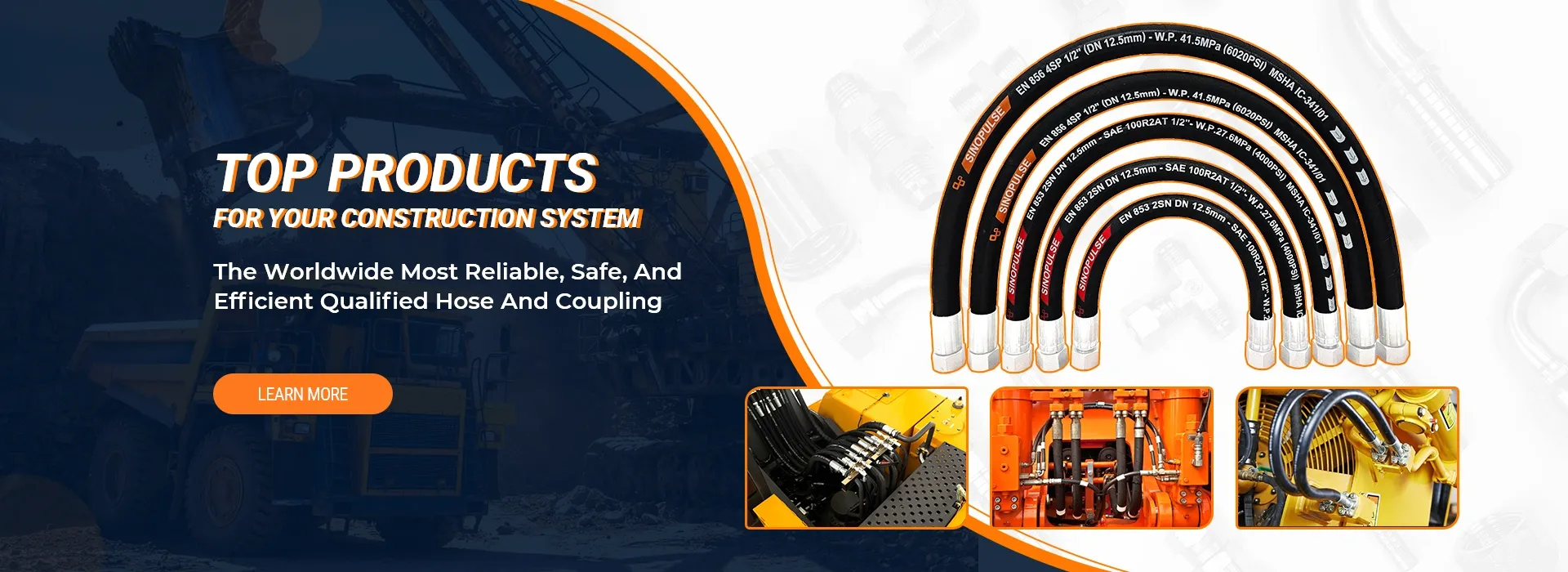
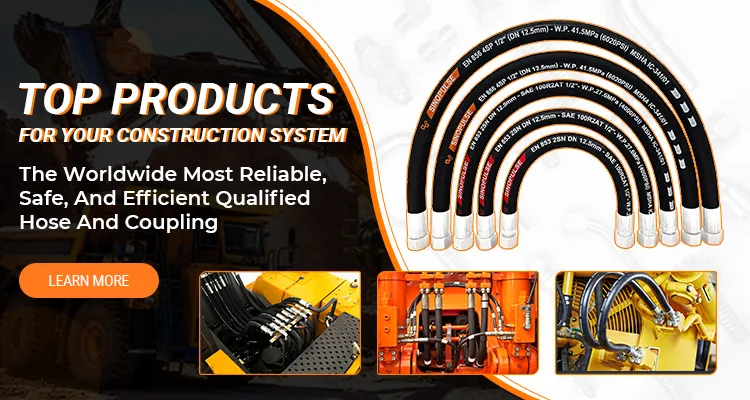
At Sinopulse, we are dedicated to enhancing industrial performance through innovative technology and exceptional customer service. Founded in 2011, Sinopulse began as a small startup with a big dream. Over the past decade, we have grown into a leading industrial hose, hydraulic hose & fittings manufacturer boasting a 45,000 m² workshop, 86 production lines, and a dedicated team of over 200 employees. Our commitment to quality and efficiency enables us to produce an impressive 100,000 meters of hose daily, offering the worldwide most reliable, safe, and most efficient qualified hose and coupling.


×
-
 45,000 m²Factory Area
 -
 86 +Production Line
 -
 200 +Employee
 -
 400,000 +Capacity
WHY CHOOSE US
-
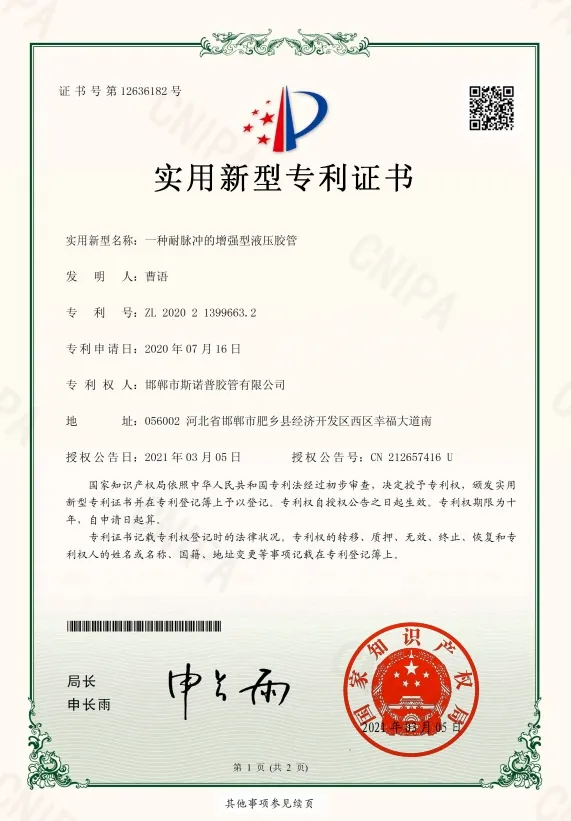
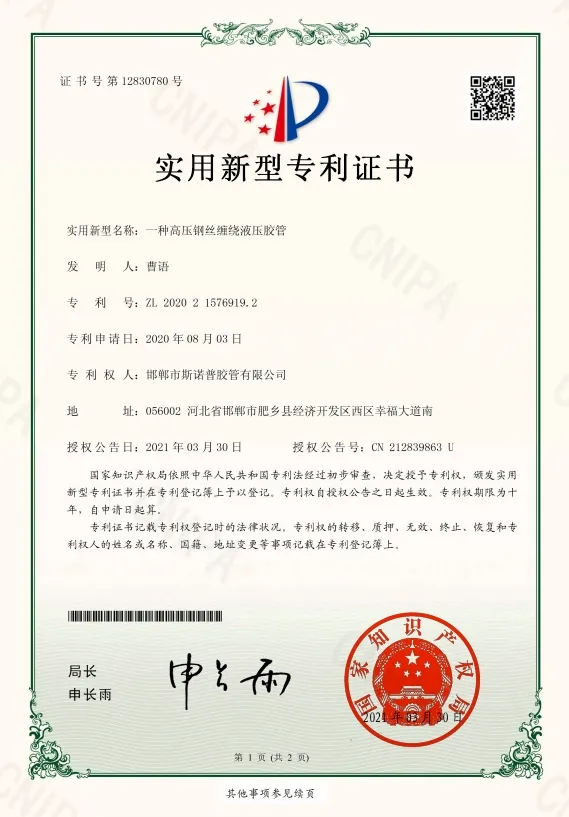
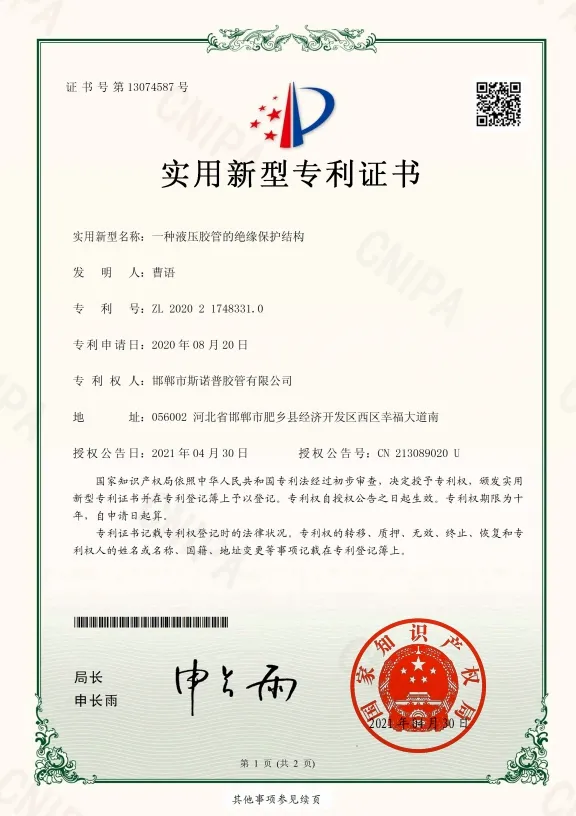
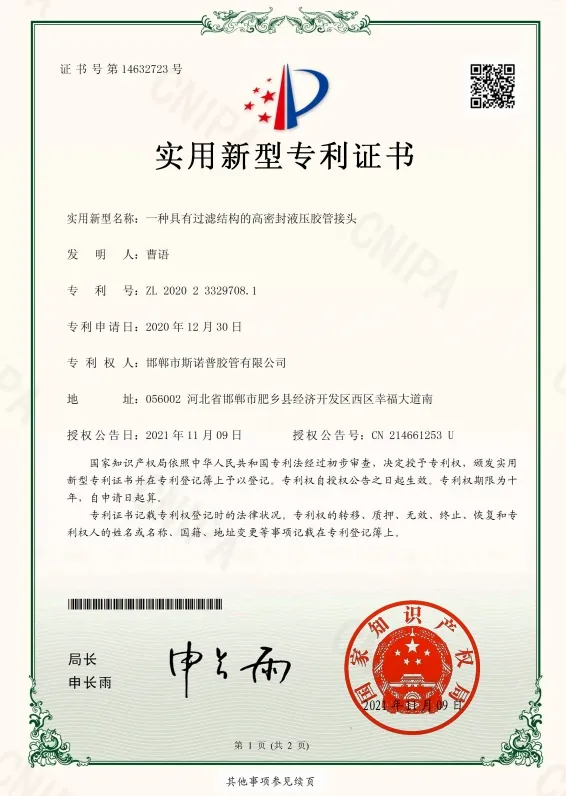
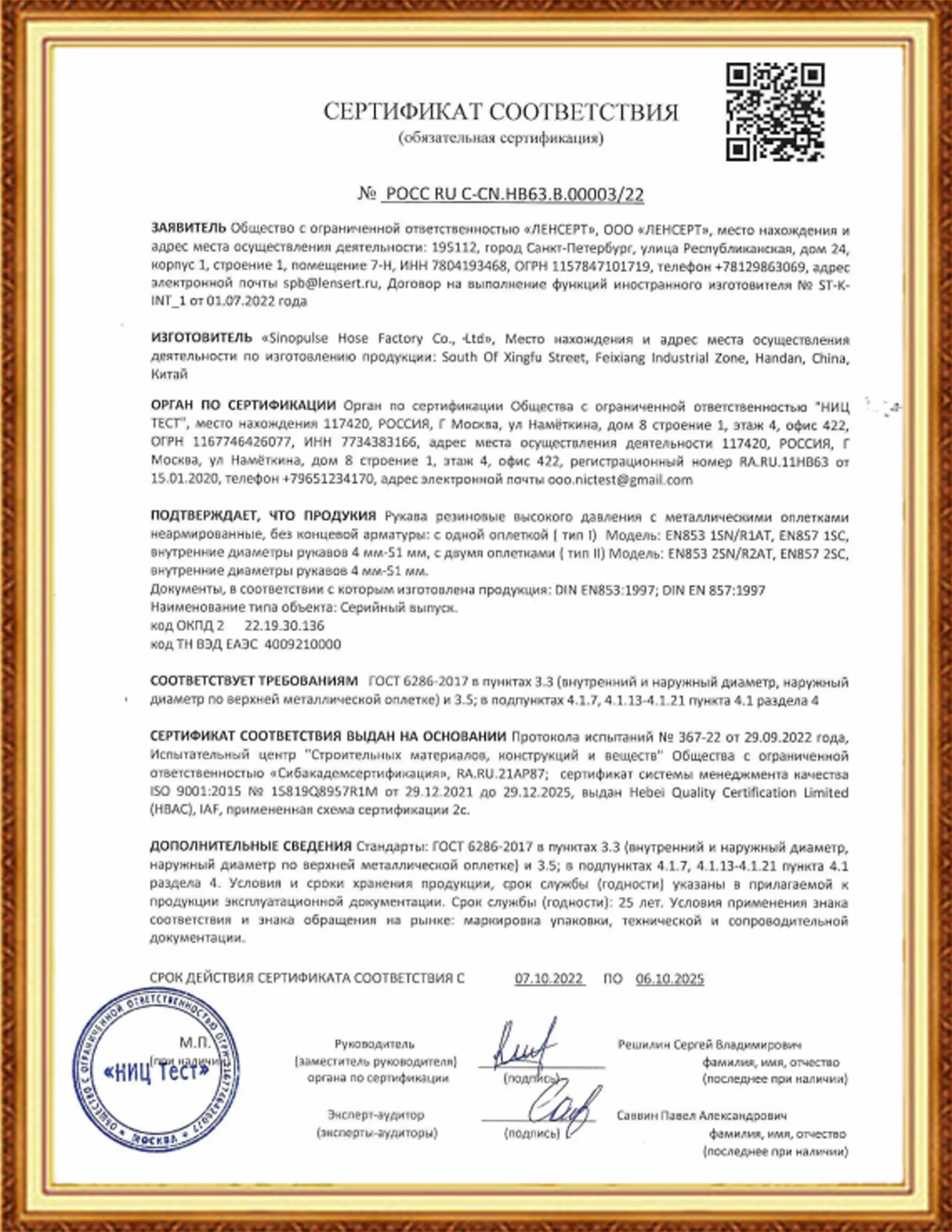
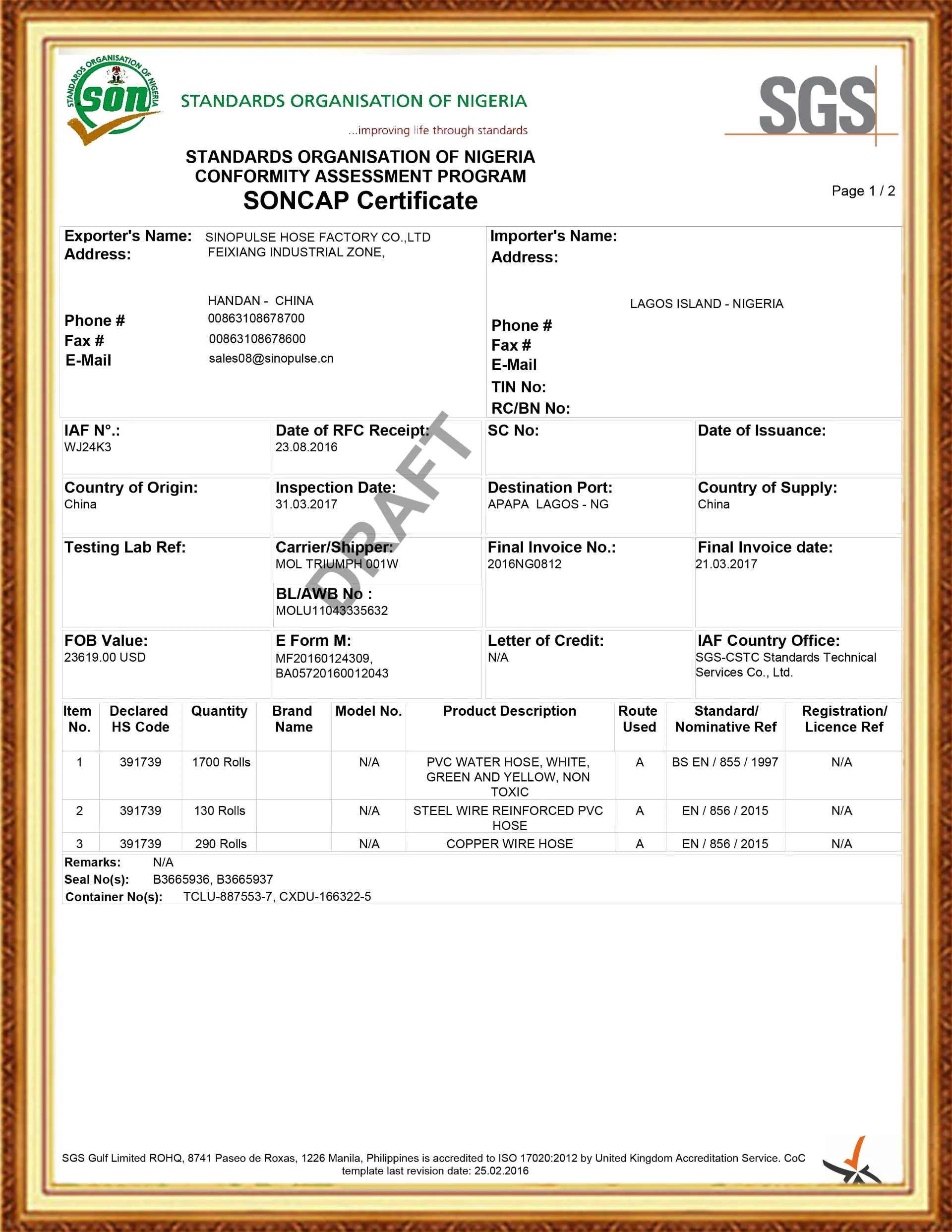
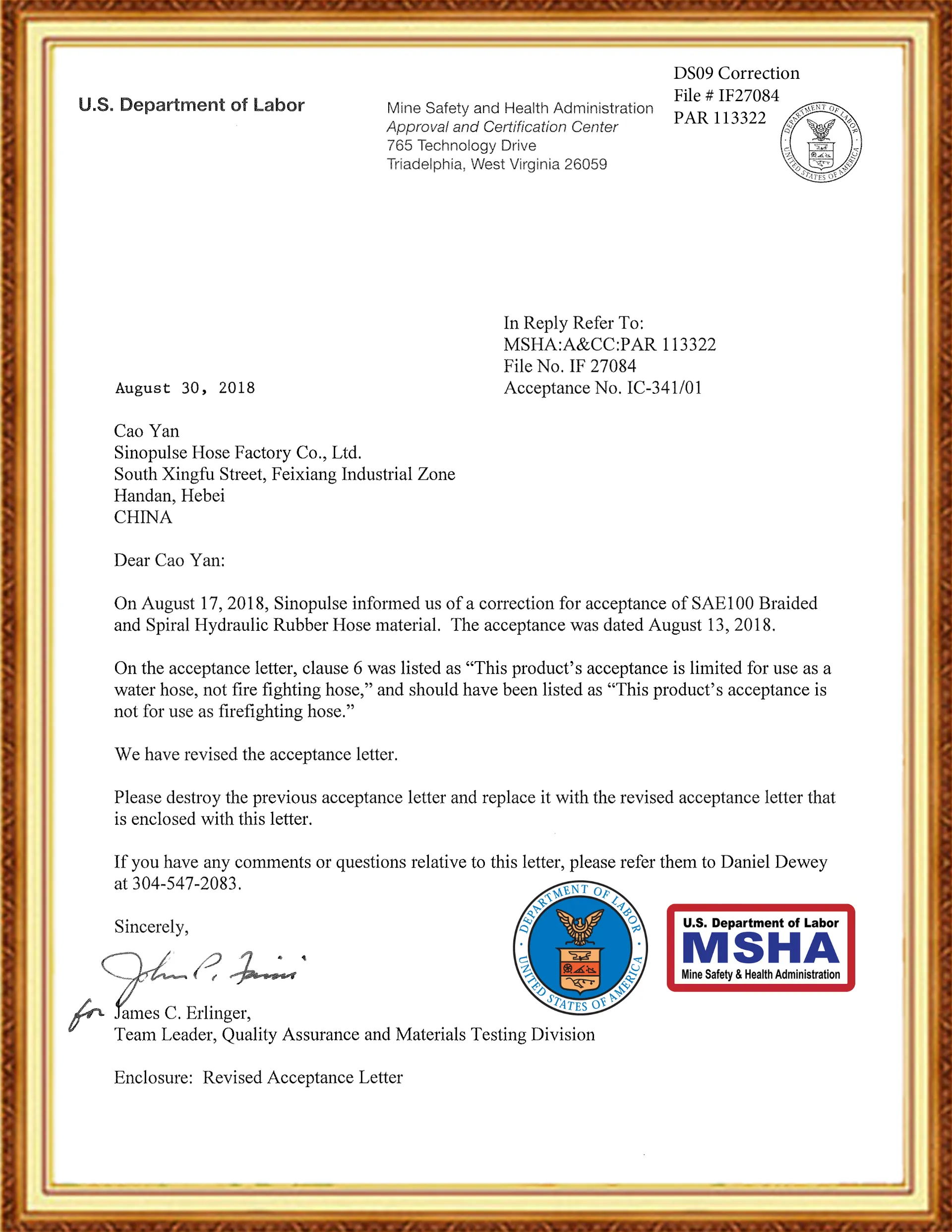
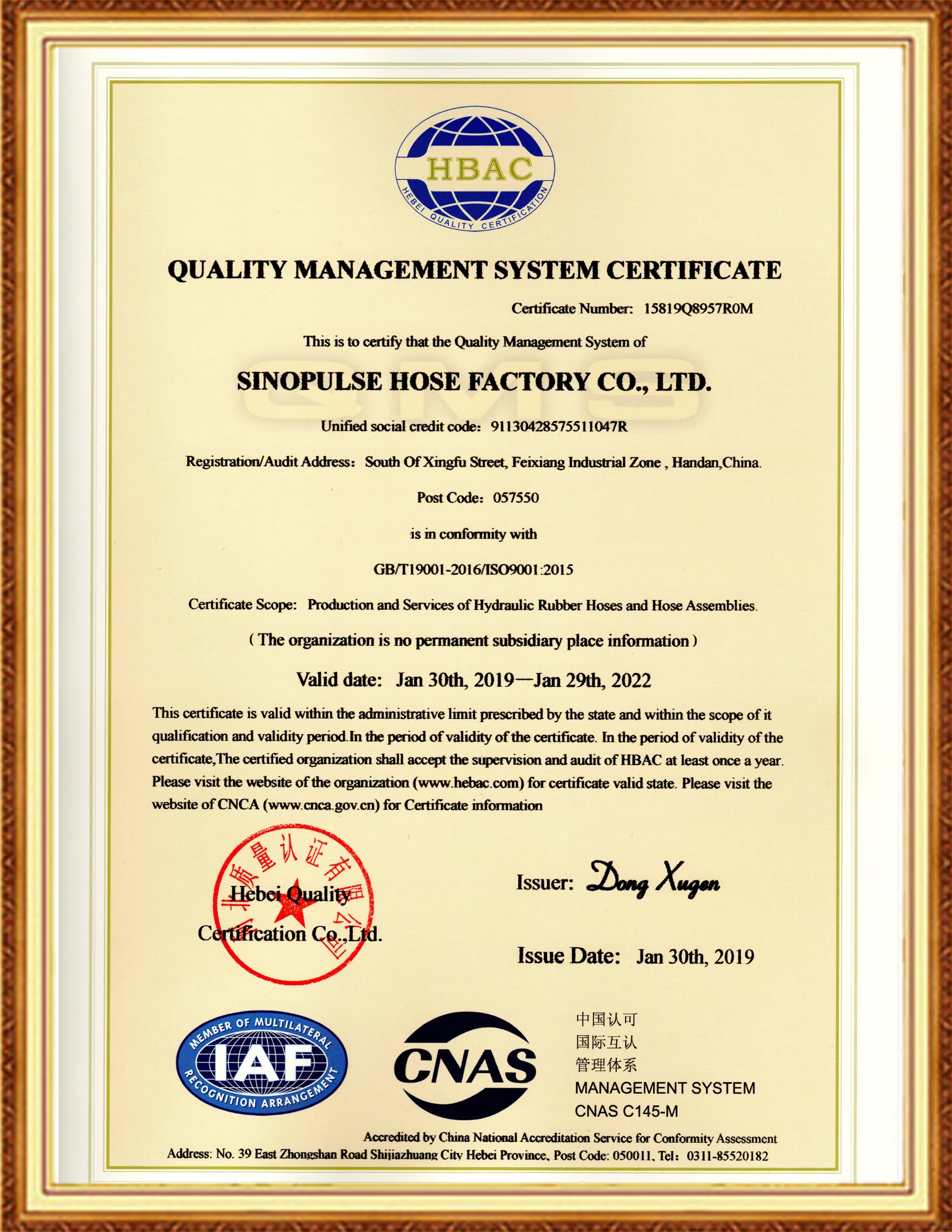
When it comes to choosing a reliable and trustworthy partner for your business needs, certification is a crucial factor to consider. At our company, we take pride in our commitment to meeting the highest standards of quality and safety, as evidenced by our certifications including ISO, MSHA, GOST, SGS, FDA ....More>>

-
One of the key strengths of SINOPULSE’s R&D capabilities is its ability to design hoses for a wide range of conveyor fluids. Whether it’s hydraulic oil, water, air, or specialized chemicals, the company has the expertise to develop hoses that are compatible with the specific fluid’s properties. This versatility allows SINOPULSE to cater to diverse industries such as construction, mining, agriculture, and manufacturing, where different fluids are used for various applications.More>>
-
SINOPULSE QUALITY CONTROL system is a comprehensive and advanced system that ensures the highest standards of quality in manufacturing processes. Quality control is a critical aspect of any manufacturing operation, and the SINOPULSE system is designed to provide a robust framework for monitoring and maintaining quality throughout the production process.More>>
-
SINOPULSE’s gold medal service in foreign trade, coupled with its emphasis on team service and product excellence, positions the company as a leader in the industry. With a focus on delivering tailored solutions and exceptional customer support, SINOPULSE continues to set the standard for excellence in international trade services.More>>
-
 20 YearsExperience
 -
 120 +Exported Countries
 -
 200 +Clients
 -
 30 Million USDAnnul Sales
OUR PROJECT
Our rubber hose products have good performance advantages, such as pressure flexibility, strength, weather resistance, no deformation, and good pulse testing.
-
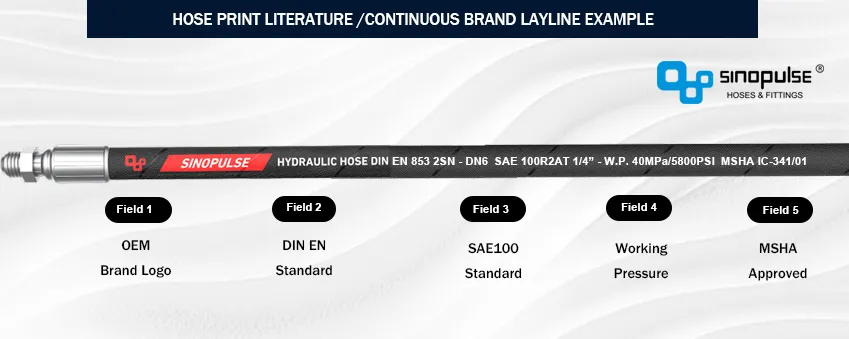 en 857 2scen857 1sc,en 857 1sc is a key solution in the industry, specifically within Fluid Power Transmission and Control and hydraulic hose. This article explores how HEBEI SINOPULSE TECH GROUP CO.,LTD. supports professionals with durable, high-performance products, and explains why this product is an ideal choice for businesses in these sectors. Table of Contents en857 1sc,en 857 1sc Overview Benefits & ...
 -
 flexible hose chinaThe DIN EN853 1SN/SAE100R1AT One Steel Wire Braided Hydraulic Hose is a premium industrial solution designed for demanding hydraulic systems. Engineered to meet rigorous international standards, this product combines durability, flexibility, and resistance to harsh environmental conditions. Manufactured by Hebei Xinuo Power Technology Group Co., Ltd. , a leading Chinese manufacturer of hydraulic c...
 -
 high power steering hoseIntroduction to the DIN EN853 1SN/SAE100R1AT Hydraulic Hose The DIN EN853 1SN/SAE100R1AT One Steel Wire Braided Hydraulic Hose is a critical component in modern hydraulic systems, designed to meet rigorous industrial demands. Engineered by Hebei Sinopulse Tech Group Co., Ltd., this product combines advanced materials and robust construction to deliver exceptional performance in high-pressure envir...
 -
 hydraulic crimping machine for saleAdvancements and Applications in Hydraulic Hose Crimping Technology The hydraulic hose crimper stands as a cornerstone technology in fluid power systems across a multitude of heavy industries. Essential for fabricating and repairing hydraulic hoses, these machines ensure the integrity and reliability of high-pressure fluid transfer. The demand for robust, precise, and efficient crimping solutions ...
OUR LATEST NEWS
Strict quality control strict production team to ensure stable products quality. Scientific personnel management, efficient production arrangements to ensure our timely delivery.
HOW TO FIND US
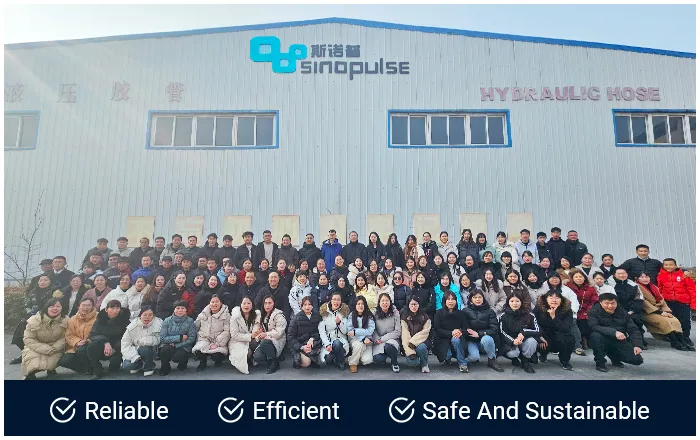
We welcome customers from all over the world visit our hydraulic hose factory and make fruitful cooperation. If you need hoses, contact with us without hesitation. We will give you professional service,qualified goods and best prices!
HOW CAN WE HELP ?
Have questions or need help? Use the form to reach out and we will be in touch with you
as quickly as possible.